

MVP 101: Why Start with a Minimum Viable Product?
In the thrilling world of startups, where every budding entrepreneur dreams of creating the next big thing, there lies a stepping stone that’s vital to understand and embrace: the Minimum Viable Product, commonly known as MVP. So, why is starting

Top 5 Reasons to Build Your MVP in the UK with ‘Build My App Idea’
The UK has steadily positioned itself as a beacon for tech innovation and entrepreneurship. London, its capital, is often referred to as the tech startup capital of Europe, boasting sectors ranging from fintech to healthtech. For startup founders, the development

Why “Build My App Idea” Offers Better Value Than Assembling Your Own Team for your software development
Building an app is not just about coding; it’s a fusion of strategy, UX, design, branding, front-end development, back-end development, copywriting, and more. The multifaceted nature of app creation demands a symphony of different experts. Let’s delve into why collaborating

Empowering Corporates with Intrapreneurship: A Blueprint for Innovation
In the hyper-competitive business landscape of today, corporates often find themselves in a paradoxical situation. While they possess vast resources, seasoned teams, and established brands, the agility and innovative spark of startups can sometimes elude them. Enter intrapreneurship: the solution
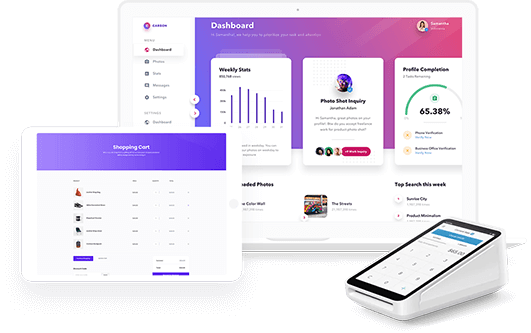
MVP vs. Full App Build: Understanding the Difference
In the world of digital products, understanding the difference between an MVP (Minimum Viable Product) and a full app build is crucial. Each has its place, purpose, and advantages. Let’s dive in to discern the distinctions. MVP: The Starting Point
What is an MVP?
What is an MVP? In the bustling realm of startups and tech innovation, the term “MVP” echoes loud and clear. But what does it really mean? MVP: The Basics MVP stands for “Minimum Viable Product.” It’s a foundational concept in